





Overview
The University of Washington Medical Center (UWMC) is pleased to offer a training program in Advanced Heart Failure, Mechanical Circulatory Support, and Cardiac Transplantation. All interested applicants will have completed three years of ACGME-accredited Internal Medicine training and three years of ACGME-accredited general cardiology training.
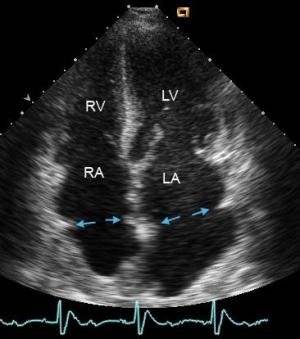
The UWMC is a quaternary referral teaching hospital that serves the WWAMI states, which include Washington, Wyoming, Alaska, Montana, and Idaho.
It has an active heart failure/cardiac transplant program with 75 to 90 cardiac transplants annually (79 transplants in 2024) and 30-40 LVAD implantations yearly. Having performed our first cardiac transplant in 1985, we have performed >1300 such operations with survival statistics superior to the national average, with a median graft survival of >15 years.
We have 12 full-time cardiologists dedicated to the care of these patients. The Division of Cardiology has more than 40 cardiologists on staff, providing comprehensive interventional cardiology, electrophysiology, congenital heart disease, and echocardiography services.
The UWMC HF/Tx inpatient service includes a dedicated heart failure/MCS consult service, a heart failure telemetry service, and a heart failure ICU service. Night-time coverage is provided by a hospitalist service. The outpatient clinics are staffed by all HF/Tx attendings and three additional APPs, accounting for more than 1400 out-patient visits and more than 400 new referrals per year.
Responsibilities of the HF/Tx fellow will include a supervisory position on the inpatient services, including the CCU, CTICU, and heart failure/transplant service, consultative services for patients with end-stage heart failure and those following cardiac transplantation, as well as collaborative care for patients following implantation of mechanical ventricular assist devices (VADs). Additionally, fellows will participate in heart failure, transplant, VAD, ACHD, and pulmonary hypertension outpatient clinics where they will have the opportunity to evaluate patients being considered for a wide array of heart failure therapies. Fellows will actively participate in the performance of right heart catheterizations and cardiac biopsies in post-transplant patients and will participate in transplant donor procurement activities, becoming eligible for UNOS certification as a transplant physician. The HF/Tx fellow will also have dedicated time for scholarly research.
Life in Seattle
Located in the glorious Pacific Northwest, Seattle experiences warm summer days with low humidity and average summer temperatures in the mid-70s. Misty rain keeps our winters temperate and our green spaces vibrant. Seattle’s music, food (and coffee!) scenes are diverse, with many choices for the discerning connoisseur. For avid sports fans, Seattle is home to the 2014 Super Bowl Champions–the Seattle Seahawks, the 2019 Major League Soccer Cup winners–the Seattle Sounders, the Seattle Reign, the 2018 WNBA champs–the Seattle Storm, the 2025 ALW Champions- the Seattle Mariners, a major NHL franchise–the Seattle Kraken, and a new PWHL team–the Seattle Torrents.
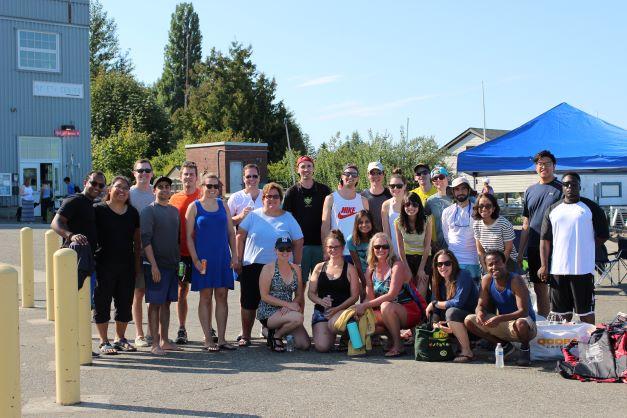
For the adventurous, outdoor life thrives with access to hundreds of hiking trails within a short drive from the city for activities throughout the year. For longer jaunts, Seattle is situated between the San Juan Islands and several national parks (the Olympic Mountains, the North Cascades Mountains, and Mount Rainier).
How to Apply
Two fellowship positions are available each July 1st.
- Interested applicants should submit complete applications through ERAS beginning July 1st and no later than August 14th for open positions that will begin the following year.
- Late applications may not be considered.
- Interviews will be conducted between September and October, with the Match in November.
- The Medical Specialties Matching Program website offers useful information regarding timelines.
*All applicants must have completed an ACGME-accredited Cardiovascular Disease Fellowship Program before AHFTC training.
Submit the following documents:
1. Curriculum Vitae
2. Research Experience
3. Personal Statement
4. USMLE Transcript (Steps 1-3)
5. Dean’s Letter
6. Medical School Transcripts
7. ECFMG Certificate and Visa Status if applicable*
8. Summative Evaluation from IM Residency and Cardiology Fellowship (if already graduated)
Letters of Recommendation
You must also upload letters from the following in ERAS:
- Cardiology Fellowship Program Director
- Two letters from research mentors and/or cardiology faculty
Letters should address your clinical skills, research experience, and potential for an academic career.
University of Washington Hiring Policies
The University of Washington reaffirms its policy of equal opportunity regardless of race, color, creed, religion, national origin, sex, sexual orientation, age, marital status, disability, or status as a disabled veteran or Vietnam-era veteran under University policy and applicable federal and state statutes and regulations. The University of Washington commits to providing access and reasonable accommodation in its services, programs, activities, education and employment for individuals with disabilities. To request disability accommodation in the application process, contact the department at 206-685-1397 or the Disability Services Office at least ten days in advance at: 206.543.6450/V, 206.543.6452/TTY, 206.685.7264/FAX, or email at dso@u.washington.edu.
Visit UW GME for more information on our programs.
SUBSPECIALTY LEADERSHIP

Richard K. Cheng, MD
Program Director
Advanced Heart Failure and Cardiac Transplant Fellowship
Learn more about Dr. Cheng

Preethi Pirlamarla, MD
Associate Program Director
Advanced Heart Failure and Cardiac Transplant Fellowship
Faculty
- Richard K. Cheng, MD, MS
- Lina Brinker, MD
- Todd F. Dardas, MD, MS
- Stephen D. Farris, MD
- Aris Karatasakis, MD
- Wayne C. Levy, MD, FACC
- Elina Minami, MD
- Kevin D. O'Brien, MD, FAHA
- Salpy Pamboukian, MD
- Preethi Pirlamarla, MD
- April S. Stempien-Otero, MD, FACC
- Sunu Thomas, MD
- James Zhang, MD
QUESTIONS?
Please email the Cardiology Fellowship Office at uwcardfellowship@uw.edu or call 206-685-1397 for more information.